Washington House Majority Leader Admits Drinking Before Budget Hearing, Apologizes for Being “impaired”
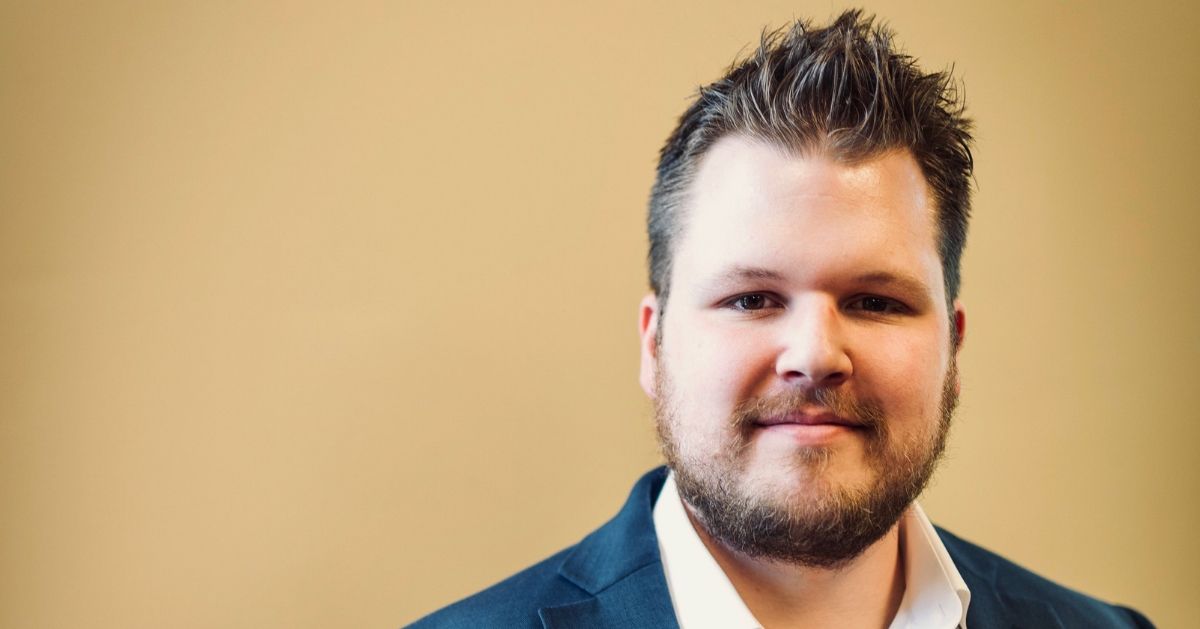
Washington state House majority leader Joe Fitzgibbon, a Democrat, apologized after admitting he drank alcohol before a House Appropriations Committee hearing where he spoke on the operating budget and “appeared to slur his words at times.”
It happened during a committee meeting on Wednesday. The exact time and location were not provided. But the basics are not in dispute because Fitzgibbon owned them.
A Budget Hearing and a Public Stumble
According to the New York Post, during the House Appropriations Committee meeting, Fitzgibbon discussed the operating budget and was quoted by Fox Seattle as making “somewhat slurred remarks” as he tried to thank members and describe the purpose of the spending plan.
Fitzgibbon said during the hearing:
"I am grateful to all the members of this committee and all the members of the house for putting forward their ideas and putting forward that … that … that … the … the operating budget that we put forward does not forget that the people we are working to represent, the people we are working to lift up and support … don’t always have a voice in this process,"
In Olympia, the operating budget is not a side issue. It is core governing work, the kind of work legislators cite when they ask voters for trust, authority, and more tax dollars.
And it is the kind of work that demands basic seriousness.
Fitzgibbon’s Apology: “I made a poor choice.”
Fitzgibbon apologized in a statement to “The Jason Rantz Show,” acknowledging he drank before lawmakers had finished their day’s work.
He said:
"The Jason Rantz Show,"
He also said:
"I am disappointed in myself and take responsibility for that poor choice. It won’t happen again, and I’m committed to completing my work this session without alcohol."
In a separate statement to Fox Seattle, Fitzgibbon described the impact in plain terms, not as a political problem, but as a workplace one.
He said it “was harmful to my work and to my co-workers.”
Leadership Response: Unacceptable, But Standing with Him
House Speaker Laurie Jinkins, also a Democrat, said Fitzgibbon failed to meet behavioral standards. She also emphasized that Fitzgibbon apologized and that leadership is backing him as he addresses his “well-being.”
Jinkins said Fitzgibbon has “acknowledged that behavior is unacceptable and has apologized.”
Whether he will face disciplinary action is unclear.
What this Says About the Culture Around “The Work.”
When politicians talk about “the work,” they usually mean the glamorous parts: announcements, negotiations, press conferences, and victory laps.
This was the other kind of work: a committee hearing on the operating budget. The unglamorous grind that decides what government funds, what it prioritizes, and what it expects taxpayers to carry.
Fitzgibbon’s own quotes make the core problem unavoidable. He says he drank “before we had finished our work for the day,” and he says it will not happen again. That is an admission that the people in the room, and the public watching, were owed a level of professionalism that did not show up with him.
That is not a partisan point. It is a self-government point.
The Question that Follows: Standards, or Spin
Jinkins called the behavior unacceptable. Fitzgibbon accepted responsibility. Those are the right words.
Now the real test is whether institutions treat the operating budget like the solemn duty it is, or like just another stage where lawmakers can drift through and clean up the mess afterward with a statement.
In a time when trust in government is already thin, the public does not need perfection from elected officials. It needs seriousness, especially when the topic is spending other people’s money.
One party runs the chamber. One party sets the tone. The people paying for that budget deserve better than “somewhat slurred remarks” while their representatives debate how to spend the state’s dollars.
The work is not a slogan. It is a responsibility.