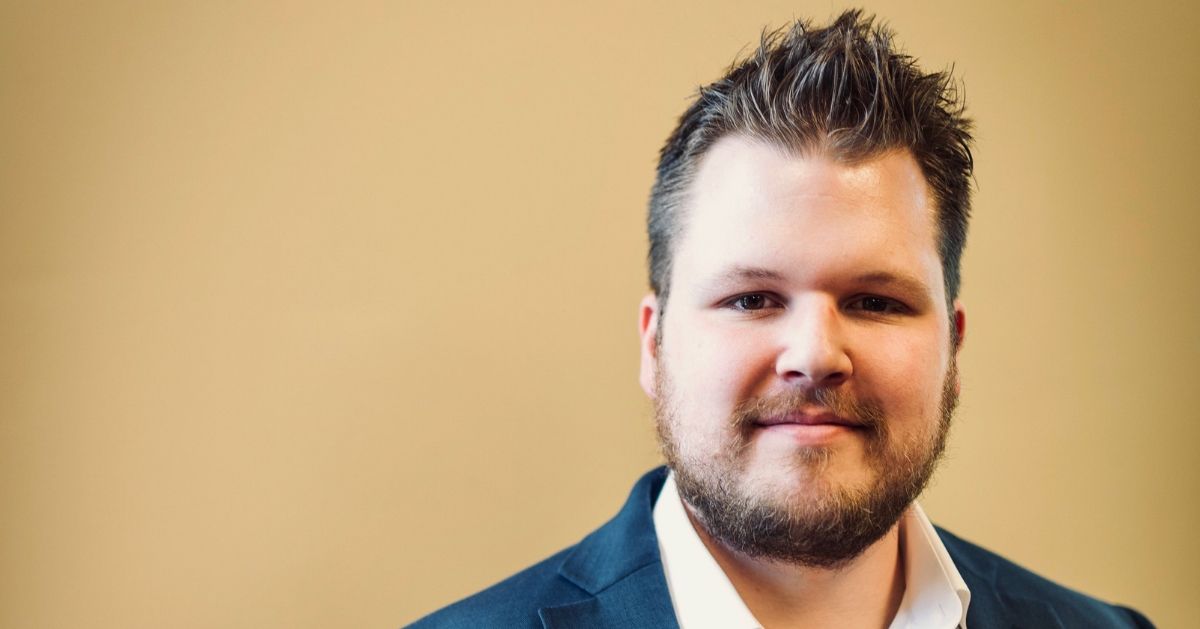
Former New York news anchor Amy McGorry finds life-saving liver donor after loyal viewer steps forward
Amy McGorry spent months searching for someone willing to share part of a liver. On Monday, the 56-year-old former News 12 reporter got her answer, from a viewer she has never met.
McGorry learned the news while teaching her health science class at Long Island University, the last session of the semester. A News 12 viewer who had watched a segment about her deteriorating health contacted the network, underwent compatibility testing, and was confirmed able to donate. The transplant surgery is now scheduled for June.
It is the kind of story that cuts against the relentless drumbeat of bad news, a stranger watching local television, picking up the phone, and volunteering to undergo major surgery so someone else can live. In a media landscape dominated by political warfare and institutional failure, McGorry's ordeal is a reminder that ordinary people still do extraordinary things when nobody forces them to.
A medical crisis years in the making
McGorry suffers from two rare diseases: autoimmune hepatitis and primary biliary cholangitis. Both conditions attack the liver, and together they had been slowly degrading the organ for years. About six months ago, the damage reached a breaking point. She passed out and was hospitalized.
By February, doctors delivered the verdict she had feared. McGorry needed a new liver. Dangerous internal bleeding left no room for half-measures. She needed a living donor with O-positive blood, a specific match that narrowed the field considerably.
The New York Post first reported on her medical emergency in March, detailing the severity of her condition and her search for a match. At the time, McGorry was candid about what a donor would mean.
"They would be giving me a new lease on life. I just want to get this done and eventually put all of this behind me and live normally."
That plea reached further than she expected.
A viewer nobody expected
News 12, the Long Island television station where McGorry built her career, covered her search for a donor. One viewer, whose identity remains anonymous, saw the segment and decided to act. The viewer contacted the station, was connected to the transplant process, and completed testing that confirmed a match.
McGorry described the moment she found out. She told the Post she was standing in front of her students at LIU when the call came through.
"I learned the news while teaching my health science class at LIU, last day of class and told kids who have been through this with me and they all clapped."
She added simply: "It was so cute."
The scene is easy to picture, a professor who had shared her health struggle with her students all semester, getting the news that changes everything, right there in the classroom. No cameras. No press conference. Just a phone call and a round of applause from college kids.
In a week when headlines have been dominated by stories of public figures facing grave health emergencies, including Rudy Giuliani's critical-condition hospitalization in Florida, McGorry's story stands out for its hopeful resolution.
From patient to advocate
McGorry has not spent the past few months simply waiting by the phone. In April, she traveled to Washington, D.C., to push for the Living Donor Protection Act, a bill designed to strengthen protections and close gaps that leave organ donors without job-protected leave during recovery.
The legislation addresses a problem that rarely makes the evening news but matters enormously to the small number of Americans willing to undergo elective surgery for a stranger's benefit. Under current law, living donors can face real financial consequences, lost wages, unprotected time off work, and insurance complications, for doing something most people would call heroic.
McGorry's advocacy is worth noting because it highlights a gap in federal policy that has bipartisan appeal but little political urgency. Organ donation is not a culture-war issue. It does not generate cable-news shouting matches. But the absence of basic workplace protections for living donors is the kind of quiet policy failure that discourages the very generosity McGorry's anonymous viewer displayed.
The broader question of whether Congress will act on the bill remains open. McGorry made her case in the capital, but legislation moves slowly, especially when no powerful constituency is demanding action. That a former local news anchor with a failing liver has to fly to D.C. to lobby for common-sense donor protections tells you something about where congressional priorities actually sit.
The news cycle rarely pauses for stories like this one. Recent weeks have seen intense coverage of the forensic investigation into the White House Correspondents' Dinner attack and heated debates in conservative media, including Newsmax host Greg Kelly's public break with Pete Hegseth over the Navy secretary's ouster. Against that backdrop, a local television viewer quietly volunteering a piece of her own liver barely registers.
But it should.
What remains unknown
Several details about McGorry's case remain undisclosed. The donor's name, age, and location have not been made public. The hospital or transplant center handling the June surgery has not been identified. Whether the full battery of pre-surgical clearances has been completed, or whether the confirmation so far covers only initial compatibility, is not entirely clear from available reporting.
What is clear is that McGorry, who spent years covering other people's stories on Long Island television, is now living through one of her own. She has two rare diseases, a classroom full of students who cheered for her, and a stranger willing to go under the knife so she can keep teaching.
The political dimension of her story, the Living Donor Protection Act, the trip to D.C., the gaps in federal law, deserves attention on its own merits. Protecting the people who volunteer to save lives should not require a lobbying campaign by the patient herself. The fact that it does says more about Washington's priorities than any floor speech ever could.
Meanwhile, the investigation into the White House Correspondents' Dinner shooting suspect's political donations continues to dominate national coverage, a reminder that the stories demanding the most attention are not always the ones that reveal the most about what Americans are actually capable of.
A story that earns its ending
McGorry's transplant is scheduled for next month. If it goes as planned, she will owe her life to someone who watched the local news one evening and decided that doing something mattered more than doing nothing.
No government program arranged the match. No algorithm identified the donor. A person saw a need, picked up the phone, and said yes.
That is how the country is supposed to work, not because Washington tells it to, but because someone decides on their own that a stranger's life is worth the trouble.