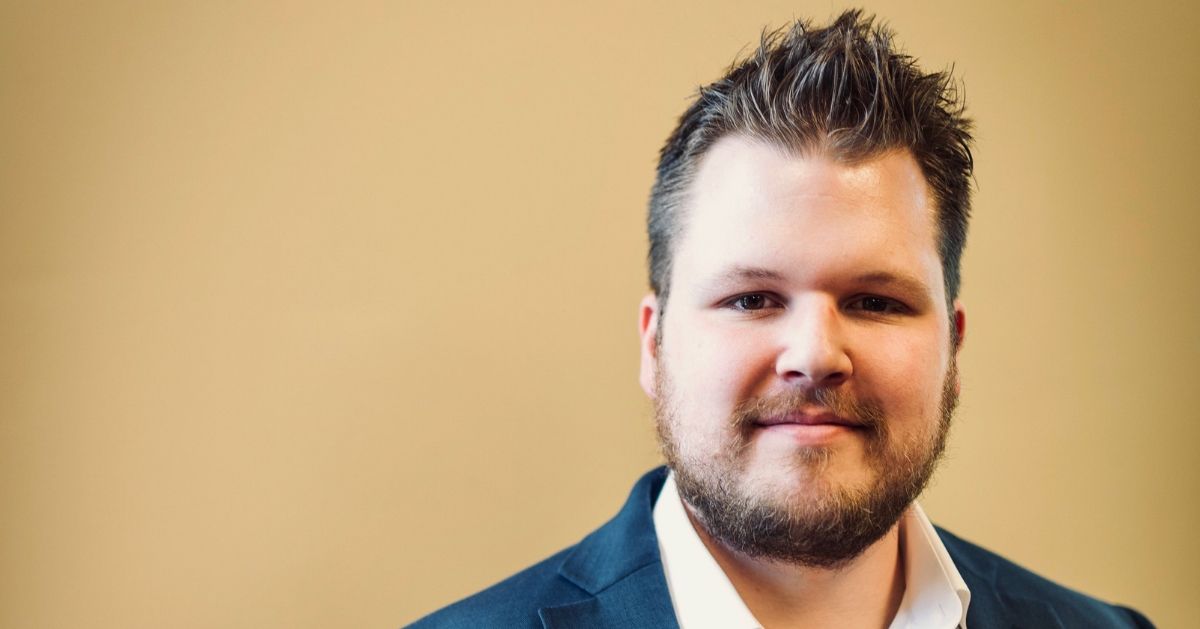
Senate confirms Kevin Warsh as Federal Reserve chair, but rate cuts remain an open question
The Senate confirmed Kevin Warsh as the next chairman of the Federal Reserve on Wednesday, handing President Donald Trump a long-sought victory on one of his most consequential nominations. The vote was 54-45, largely along party lines, with Pennsylvania Sen. John Fetterman the only Democrat to break ranks and support the pick.
Warsh's confirmation ends a protracted political fight over the direction of the nation's central bank, and begins a new one. Trump has made no secret of his desire for lower interest rates, but the economic conditions Warsh inherits may make that difficult. Consumer prices rose 3.8% year over year in April, and some analysts say the Fed may soon face pressure to raise rates rather than cut them.
That tension, between what the White House wants and what the data demands, will define Warsh's early tenure. And it puts him in the unusual position of arriving at the Fed with a mandate from the president but a set of economic facts that may resist it.
A party-line fight with one exception
The 54-45 tally mirrored the pattern of other recent Trump nominations. Recent Senate confirmation battles over high-profile nominees have followed a similar script: near-total Republican support, near-total Democratic opposition, and a handful of crossover votes that draw outsized attention.
In this case, Fetterman was the lone crossover. The Pennsylvania Democrat has broken with his party on several occasions, and his vote for Warsh further cements his reputation as a maverick within an increasingly restive Democratic caucus.
Senate Majority Leader John Thune spoke in favor of the nomination. As AP News reported, Thune offered a straightforward endorsement:
"Kevin Warsh is just such a person."
Democrats, predictably, were less enthusiastic. Sen. Elizabeth Warren led the opposition, attacking Warsh's independence and his financial disclosures. At his confirmation hearing, Warren derided him as a "sock puppet" for Trump, a charge that reflected the broader Democratic argument that Warsh would bend to White House pressure on interest rates rather than follow the data.
Other Democrats raised concerns about the completeness of Warsh's wealth disclosures, questioning whether he had fully detailed his financial holdings. The objections did not change the outcome.
Powell stays, for now
Warsh's path to the chairmanship followed a two-step process. Earlier in the week, the Senate confirmed him to the Fed's Board of Governors, a required step before he could be elevated to chair. Just the News reported that Warsh will formally take over as chairman when Jerome Powell's term as chair expires on Friday.
But Powell is not leaving the building. Fox News reported that Powell plans to remain on the Fed Board even after stepping down as chair, citing an ongoing investigation into the Fed headquarters renovation project. Powell addressed the arrangement directly:
"I plan to keep a low profile as a governor. There is only ever one chair of the Federal Reserve Board. When Kevin Warsh is confirmed and sworn in, he will be that chair."
Powell added a more pointed note about his reasons for staying:
"I will not leave the board until this investigation is fully resolved with transparency and finality."
The arrangement is unusual. A former chair remaining on the board while his successor takes the reins creates the potential for institutional friction, even if Powell has pledged deference. It also means Trump's Fed will include a holdover who clashed publicly with the president over rate policy, a dynamic worth watching in the months ahead.
The inflation problem Warsh inherits
Whatever political victory the confirmation represents, Warsh steps into an economic environment that offers no easy wins. The New York Post reported that inflation is reaccelerating, with consumer prices up 3.8% year over year in April. That number moves in the wrong direction for anyone hoping the Fed will soon cut rates.
Skanda Amarnath of Employ America framed the situation bluntly:
"The debate now is why or why not hike, not why or why not cut."
That assessment, if accurate, puts Warsh on a collision course with the president who nominated him. Trump has repeatedly pressured the Fed to lower rates, viewing cheaper borrowing as essential to his broader economic agenda. But the data may not cooperate.
Derek Reisfield, another analyst cited in the Post's coverage, spelled out the bind:
"While there is a lot of pressure to lower rates, typically in a rising inflation environment, the Fed would be hesitant to lower rates."
This is the core tension the Washington Post flagged in its reporting: even Trump allies acknowledge that rate cuts may have to wait. The confirmation is a political win. Whether it translates into the economic outcomes the White House wants depends on forces no Senate vote can control.
Democratic opposition and the independence question
Democrats framed their opposition around a single word: independence. Warren's "sock puppet" attack was the sharpest version of a broader argument, that Warsh would prioritize Trump's preferences over the Fed's traditional mandate of price stability and maximum employment.
The charge is a familiar one. Every president wants lower rates. Every opposition party accuses the other side's Fed pick of being a political tool. But the current environment gives the argument more bite than usual. With inflation running well above the Fed's 2% target, any move to cut rates would invite scrutiny about whether the decision was driven by economics or politics.
The ongoing fractures within the Democratic Party make the opposition's posture somewhat ironic. A caucus that cannot agree on its own economic direction spent the confirmation fight lecturing Warsh about intellectual independence.
Warsh's supporters argue the opposite, that his experience as a former Fed governor under George W. Bush gives him the institutional knowledge to resist political pressure from any direction. Thune's endorsement was brief but pointed, and the final vote suggests Republicans were confident in their pick.
What comes next
Warsh takes the chair at a moment when the Fed's credibility is under pressure from multiple directions. Inflation remains elevated. The White House wants lower rates. Markets are uncertain. And a former chair will be sitting on the same board, watching.
The confirmation process itself followed the increasingly partisan template that has defined recent Trump-era nomination fights. Near-unanimous Republican support. Near-unanimous Democratic opposition. A handful of crossover votes that generate headlines but do not change outcomes.
For Warsh, the real test begins Friday. The Senate vote was the easy part. Inflation does not care about party-line tallies.
The broader question, whether Democratic leaders who opposed the nomination will hold Warsh to the same standard they applied to Powell, remains open. Powell, after all, was a Trump appointee too, before he became a Trump target. Washington has a short memory for its own inconsistencies.
Warsh now holds one of the most powerful jobs in the world. The question is whether he will use it to fight inflation first and let the politics sort themselves out, or whether the pressure from Pennsylvania Avenue will prove as relentless as the price index. For taxpayers and savers watching their dollars shrink, the answer matters more than any Senate roll call.