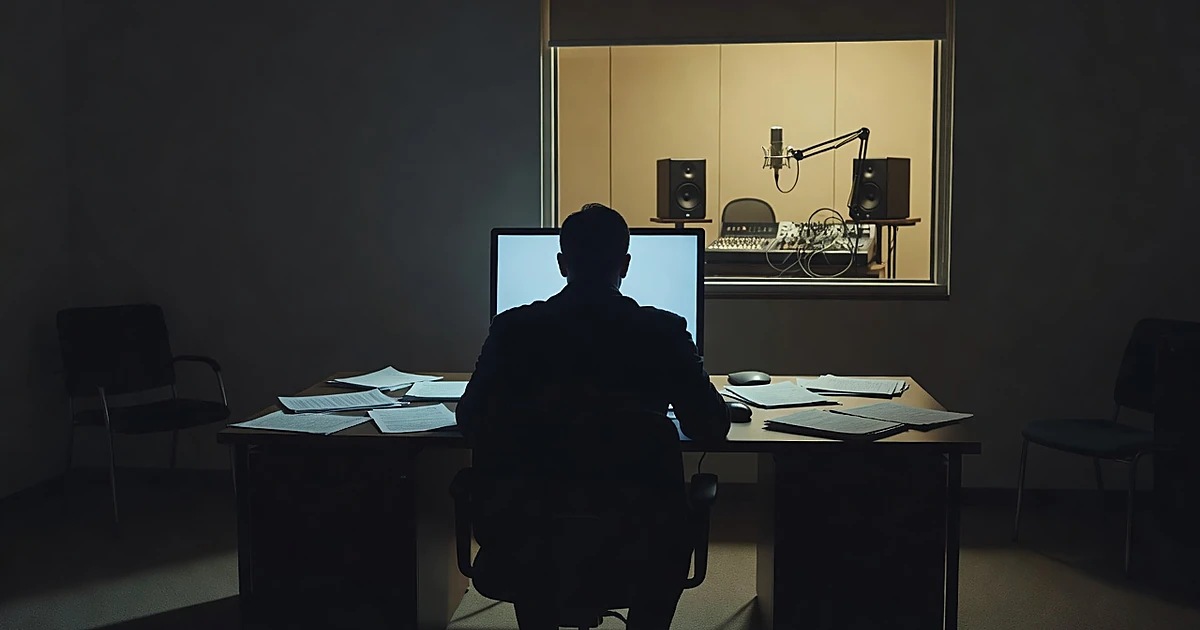
Vance chairs secret Camp David huddle as Trump weighs Iran war and Houthi threat
Vice President JD Vance chaired a secret Camp David meeting of Trump’s top security aides on the Iran war and a Saudi push against Houthis, as the president kept his next move tightly held.
President Donald Trump’s senior national security team gathered unannounced at the presidential retreat for an hours-long session Friday to weigh the stalled Iran conflict and a looming Saudi counteroffensive against Iran-backed Houthi rebels in Yemen, three U.S. officials told reporters.
Newsmax reported the closed-door talks, describing them as the first gathering of its kind since June 2025, days before Israel launched a 12-day war against Iran. One official said the session produced real movement.
"Things were decided or at least deeply discussed,"
Vice President JD Vance ran the meeting. In the room were Secretary of State Marco Rubio, War Secretary Pete Hegseth, White House envoy Steve Witkoff, CIA Director John Ratcliffe, and Joint Chiefs Chairman Gen. Dan Caine.
The timing matters. U.S.-Iran talks have stalled after Trump rejected Tehran’s latest peace proposal. The war is now in its eighth month. And last month, Houthi forces seized control of the Bab al-Mandeb Strait, a vital Red Sea shipping chokepoint that has long worried Washington and its partners.
Riyadh pressed for U.S. airstrikes, and got turned down twice
Saudi Arabia is preparing a major counteroffensive against the Houthis. In recent weeks, Riyadh pressed the White House for direct American airstrikes on Houthi targets. Washington rebuffed those requests twice.
Trump has leaned against joining the Yemen fight outright. Officials still leave open the chance he could order limited airstrikes. The Camp David session put that choice, and the broader Iran file, in front of the full national security bench at once.
Vance’s role at the head of the table fits a pattern of the vice president taking on high-stakes political and security messaging for the administration, including warnings about a Democrat-led Congress and the costs of endless probes.
Trump, for his part, has not soft-pedaled the stakes with Tehran. En route to Oklahoma on Thursday, he delivered a blunt public line on the talks.
"They'll either sign a very fair deal, or they won't exist any longer,"
That warning tracks with the private agenda at Camp David: whether to resume major combat operations against Iran if diplomacy stays dead. Trump has also signaled he could restart strikes after the November midterm elections if the talks fail.
Friday’s answer left reporters with a tease, not a plan
Asked Friday afternoon about the next move on Iran, Trump declined to spell it out.
"If I told you, you would have a major story."
He gave no operational details. No target list. No timeline beyond the midterm marker already in circulation. The message was simple: decisions are in motion, and the public version will come when he chooses.
That posture keeps pressure on Tehran while denying Iran, and domestic critics, a free look at U.S. sequencing. It also keeps faith with voters who elected a president promising strength abroad without telegraphing every strike package on cable news.
Political fights at home still shadow the calendar. Democrats have already floated aggressive oversight ideas if they regain power, from energy policy to family business inquiries, including planned crypto and Kushner probes that show how quickly a new majority would try to tie down the executive branch.
June 2025 set the template for quiet, high-stakes sessions
The last comparable unannounced huddle came in June 2025, just before Israel’s 12-day campaign against Iran. That history hangs over this one. Quiet rooms at Camp David have preceded loud results in the region before.
This time the board is wider. Iran remains the core problem. The Houthi seizure of the Bab al-Mandeb Strait added a shipping and alliance crisis on top of it. Saudi Arabia wants U.S. steel behind a counteroffensive. Trump’s team has so far said no to direct American airstrikes for Riyadh, while still weighing what a resumed Iran campaign would look like.
Vance has become a frequent target in the partisan noise surrounding those choices, from TV nickname jabs to process fights. Coverage has even named him in a press-access dispute the White House cited, a reminder that personnel fights and policy fights now travel together.
None of that changes the operational facts on the table Friday. The strait still sits under Houthi control from last month’s move. The Saudi request for U.S. strikes still stands rejected twice. The Iran talks still sit stalled after Trump rejected Tehran’s latest offer. And the war still sits in month eight.
Hard power choices, kept inside the room
What the aides “decided” versus only “deeply discussed” was not spelled out to the public. The officials who described the meeting did not release a communiqué, a target set, or a deployment order. They described a serious, hours-long run-through of the two linked theaters, Iran and Yemen, under Vance’s chairmanship, with the president’s own hard line already on the record.
For a national audience, the plain meaning is this: the Trump administration is treating the Iran file and the Houthi threat as live combat and diplomacy problems, not cable-talk abstractions. Allies are asking for American firepower. The White House has rationed it. The president has told Tehran the alternative to a fair deal is extinction as a going concern. And his national security principals spent Friday at Camp David working the options in private.
Midterm politics remain part of the backdrop, including the usual mix of rally friction and message discipline across the coalition, such as when a Senate ally skipped a Vance rally amid intraparty tension. The foreign-policy clock does not pause for that noise.
Trump’s public lines bookending the meeting, the “fair deal or they won’t exist” warning on Thursday, and the “major story” dodge on Friday, leave adversaries guessing and supporters clear on the hierarchy of aims: deal if possible, decisive force if not, on a timeline the White House controls.
Peace through strength only works when the other side believes the strength is real, and when the people trusted to plan it actually meet, decide, and keep the powder dry until the moment counts.