Trump proposes ‘Trump Ocean’ for Atlantic or Pacific to roaring Tennessee crowd
President Trump floated renaming the Atlantic or Pacific as ‘Trump Ocean’ at a Tennessee rally, drawing huge cheers from the crowd.
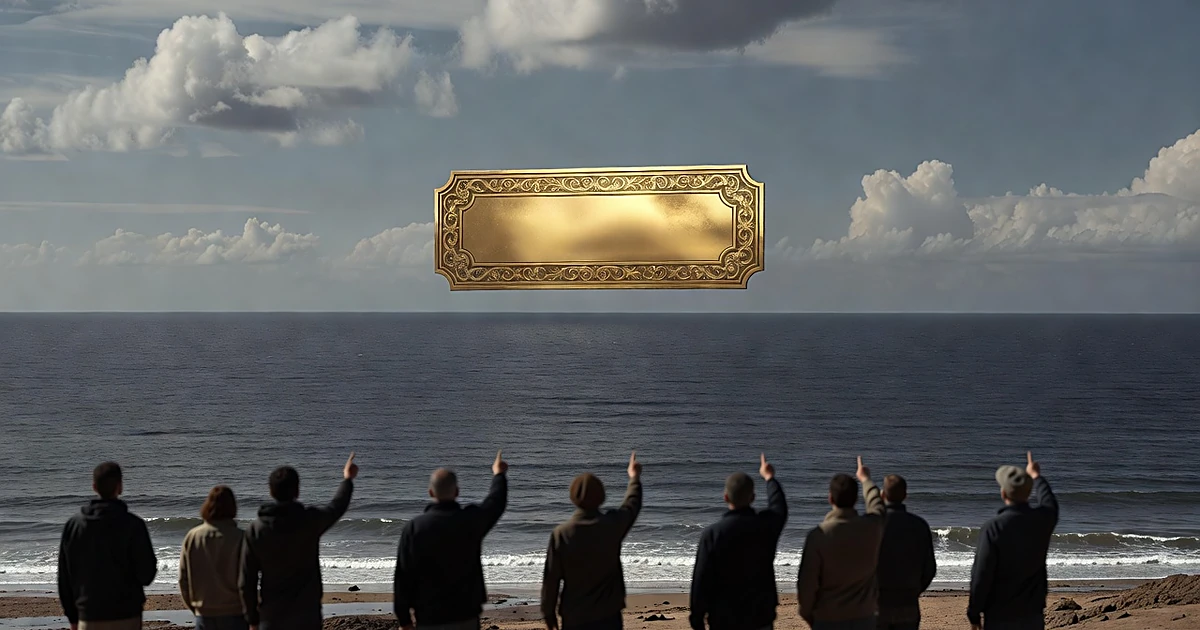
At a Saturday rally in Clarksville, Tennessee, President Donald Trump told supporters he wants another major American landmark renamed before he leaves the White House. He said he was thinking of either the Atlantic Ocean or the Pacific Ocean and offered two options: “Trump Ocean” or “Ocean of the Americas.”
The idea fits the America First renaming push he has already pressed since returning to office in January 2025, including federal use of “Gulf of America” and “Lake America.”
Trump laid out the wish list in plain terms for the crowd. He noted the Gulf and a “beautiful lake” already carried new American names, then said the country still needed a river and an ocean on the list.
Daily Mail reported the 80-year-old commander-in-chief telling the rally he wanted the change “before I get out.”
"So we've got the Gulf. We've got a beautiful lake. Now somebody you need a river,"
He quickly ruled out two famous waterways. He said he did not want to touch the Hudson River and praised the explorer who put it on the map centuries ago.
"I don't want to change the name of the Hudson River. That's too much. Henry Hudson did a good job setting up that sucker a long time ago."
The Mississippi was also off-limits. “Now I’m not changing the name of the Mississippi,” he said. That left the two oceans on the table.
"So we need a river and we need an ocean, so I was thinking of either the Atlantic or the Pacific,"
"We'll call it Trump Ocean or Ocean of the Americas."
Gulf of America already on the federal books
Trump did not invent the renaming habit on Saturday. On inauguration day he ordered U.S. federal agencies to drop “Gulf of Mexico” and adopt “Gulf of America” for official purposes. The body of water borders the United States, Mexico, and Cuba, yet Washington controls only the names its own agencies use.
He had previewed the move earlier, calling the new name fitting and memorable. “We’re going to be changing the name of the Gulf of Mexico to the Gulf of America,” he said at the time. He added that it “has a beautiful ring” and “covers a lot of territory,” calling the switch “appropriate.”
By February 2025 he was already posing with a “Gulf of America” sign. The order showed how far a president can go on domestic terminology without waiting for foreign capitals to agree.
That same drive to reset federal priorities has marked other second-term steps, including when Trump formed a White House committee to examine serious claims against a Federal Reserve governor.
Lake Ontario became Lake America with a Sharpie
In August he turned to one of the five Great Lakes shared by the United States and Canada. Lake Ontario became Lake America. Republicans quickly celebrated the distinctly American label.
On August 26 he posted a TikTok video to drive the point home. He took a Sharpie to a map, crossed out the old name, and wrote “LAKE AMERICA” above it.
"We're gonna make a little change, we're gonna call it something different than Lake Ontario,"
"We're gonna call it Lake America. And all it takes is a good pen and some intelligence."
The clip captured the style: direct, visual, and aimed at giving shared geography a clear American identity where federal authority reaches.
Personnel and technology moves have followed a similar pace, such as plans to name a spy chief as White House AI czar and put experienced hands on emerging threats.
Mount McKinley name restored in Alaska
Trump also reversed a 2015 Obama-era decision on North America’s tallest peak. The mountain had carried the name Denali, long used by Alaska Native communities, after the Obama administration adopted it. Trump restored the name Mount McKinley, honoring the 25th president of the United States.
Each step followed the same logic. Federal agencies and presidential proclamations can set the terms Americans see on official maps, documents, and signs. Foreign governments remain free to keep their own labels.
Legal fights and accountability pushes have run on a parallel track in Washington, including efforts in which Trump asked the Supreme Court to revive a major lawsuit tied to 2016 claims and separate scrutiny of high-profile prosecutors.
Federal power has clear limits
The ocean trial balloon sits inside those same limits. Trump can direct U.S. agencies on the names they print and teach. He cannot force Mexico, Canada, European capitals, or Asian governments to revise their charts. The Daily Mail noted that reality while covering the Clarksville remarks and contacted the White House for comment.
A photo of the Pacific off San Diego circulated the day before the rally, underscoring how large the proposed canvas would be. An Atlantic or Pacific “Trump Ocean” or “Ocean of the Americas” would dwarf even the Gulf and Great Lakes changes in scale and symbolism.
High-profile visitors and honors have also marked the term, including Elon Musk’s return to the White House around the first science medal awards of the presidency.
Separate accountability stories continue to draw his attention as well, among them the decision to amplify a whistleblower claim that a prominent attorney general pressed a probe without evidence.
For now the ocean names remain a public suggestion, not a signed order. Trump has already shown he will use the tools he has, agency directives, public maps, and plain speech, to put American identity back on the landmarks under federal control. Taxpayers who fund the charts and the agencies that draw them get a president willing to say the quiet part out loud: these waters and peaks sit on the American side of the ledger, and the names can reflect that fact.